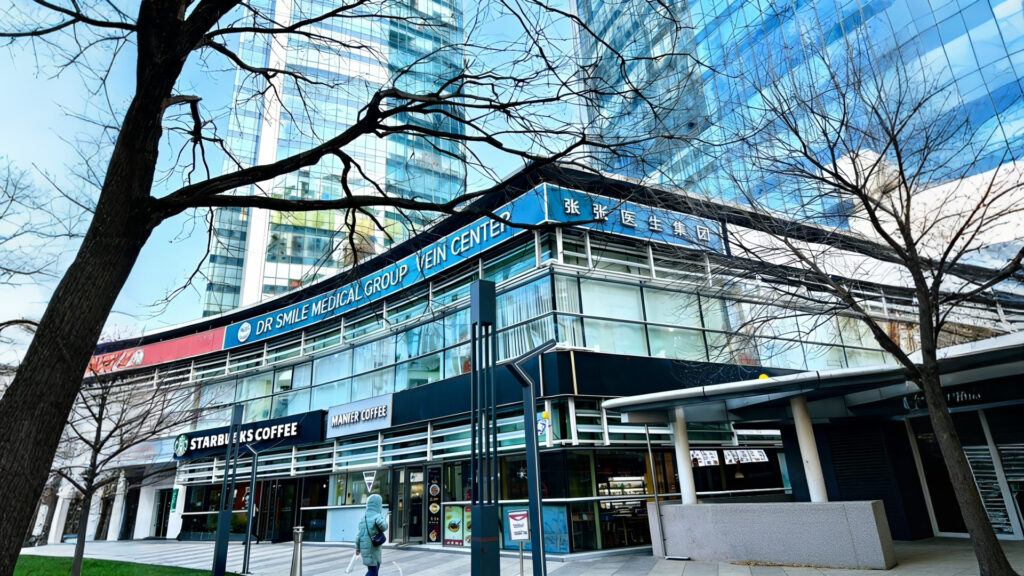
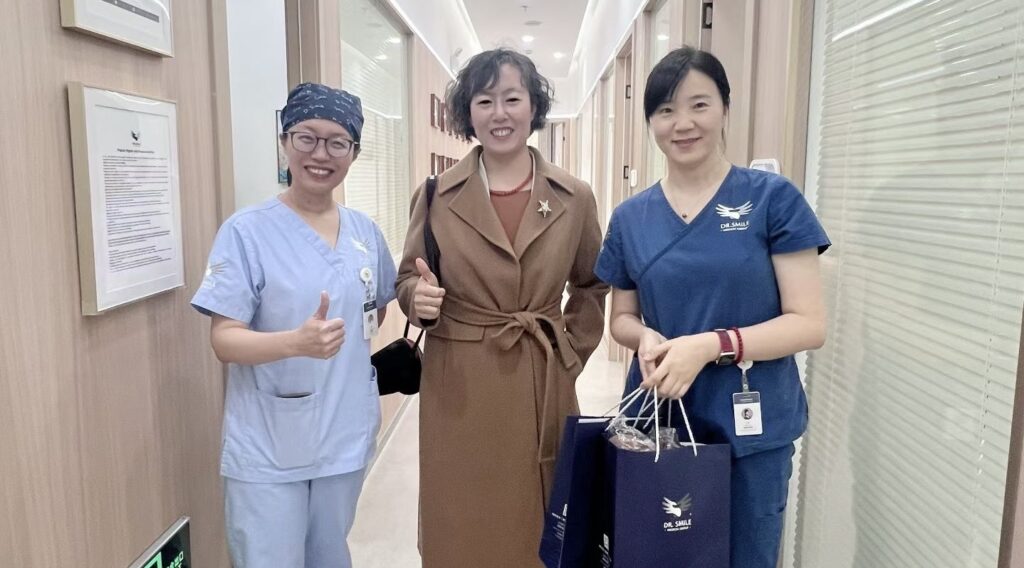
A few days ago, a senior editor from People’s Medical Publishing House visited our CHIVA vein center in Beijing, where we have been developing a hemodynamic approach to venous disease.
It was a simple visit. We reviewed a few cases and discussed how we understand and treat varicose veins in daily practice. There was no formal presentation—just a quiet exchange.
Shortly afterward, our book The Return of Veins passed the editorial review. At the same time, we began discussing the possibility of developing a new textbook—one that reflects a more hemodynamic and clinically grounded understanding. The idea is still taking shape, but the direction has become increasingly clear.
Much of what is currently taught about varicose veins is based on a structural view of the disease. Veins are often considered damaged once reflux is identified, and treatment is directed toward removing or eliminating them.
This approach is clear and easy to teach.
But clinical practice is often less fixed than it appears.
Some findings change with conditions.
The great saphenous vein, for example, is often treated as if it were the problem itself. Yet in many cases, the issue lies not in the vein, but in the flow within it.
Iliac vein compression is frequently identified on imaging, especially when patients are examined in the supine position. But in many individuals, this apparent compression changes with posture, suggesting that not all findings represent fixed pathology.
Similarly, the assessment of deep venous valve function can be influenced by how the examination is performed. Under non-physiological conditions, false-positive interpretations are not uncommon.
These observations do not necessarily contradict existing knowledge. But they suggest that the current framework may be incomplete. This is why a new textbook becomes necessary.