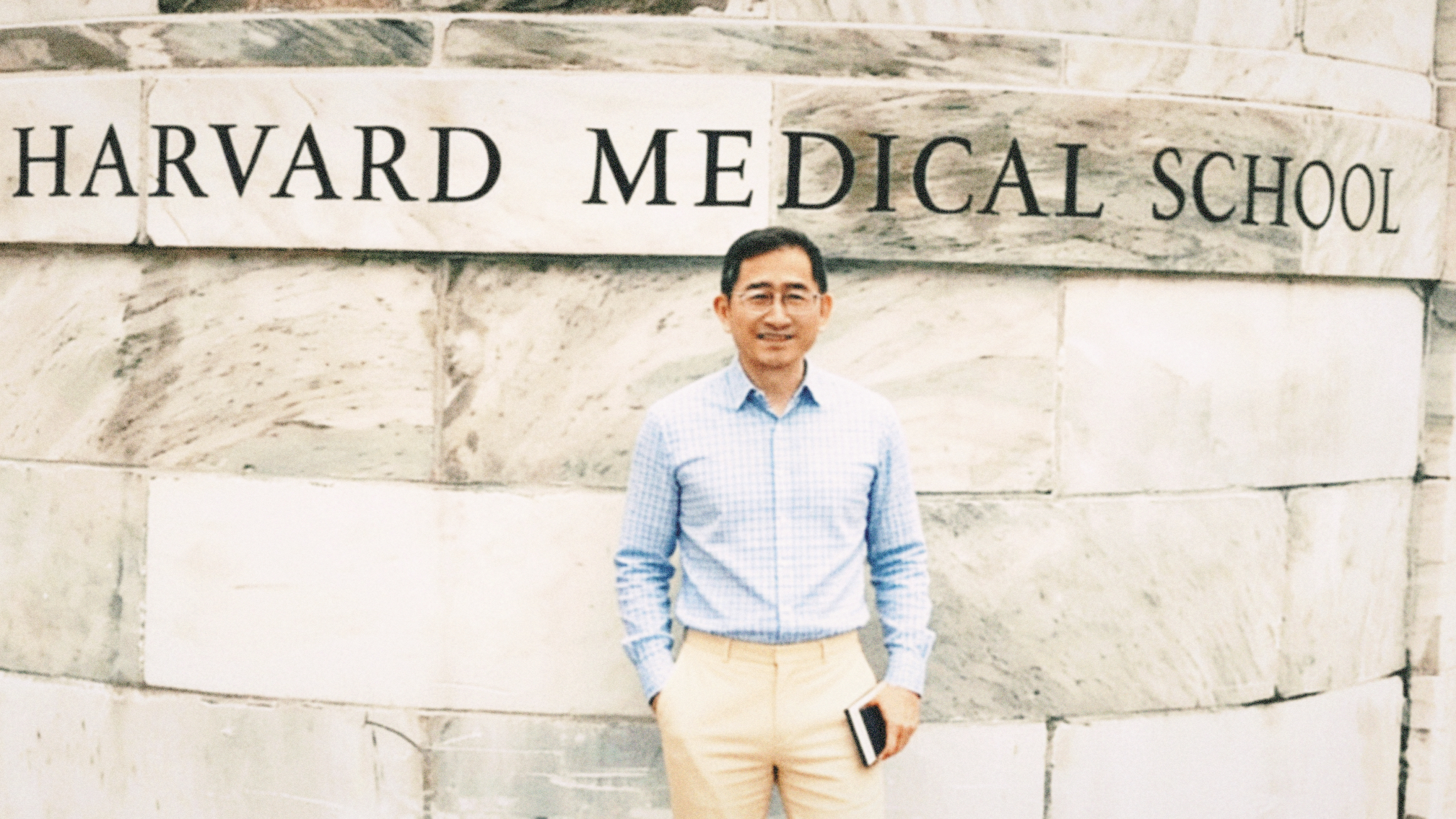
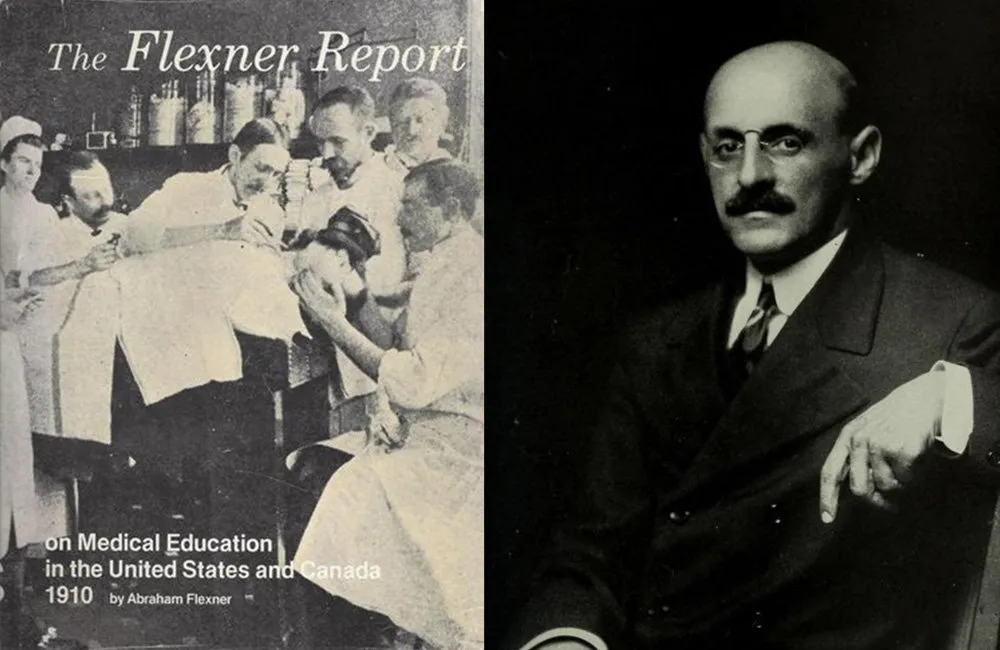
For over a century, medical education has followed the structure established by the Flexner Report: a strong foundation in basic sciences followed by clinical training. In an era of limited information and high uncertainty, this model ensured rigor and safety.
Today, that context has changed.
Artificial intelligence is transforming how knowledge is accessed and applied. Information is no longer scarce. The central question for medical education is no longer how to deliver knowledge, but how to train physicians to use it.
A Growing Structural Gap
Healthcare systems are facing rising demand driven by aging populations, chronic disease, and expanded care models. At the same time, physician training remains long, costly, and slow to scale.
This creates a structural gap: demand is accelerating, while the training model remains fixed.
Addressing this gap is not about producing more physicians faster at the expense of quality. It is about reconsidering how training time is allocated.
AI and the Reallocation of Time
AI does not simplify medicine—it changes the cost of learning.
Much of preclinical education is still devoted to memorization. With modern tools—visualization, simulation, and AI-assisted learning—the time required for acquiring and organizing foundational knowledge can be reduced.
However, the goal is not compression for its own sake.
The core of medical training lies in developing structured thinking: the ability to integrate anatomy, physiology, and pathology into a coherent model for decision-making. This process cannot be meaningfully shortened, but it can begin earlier.
The implication is clear: reduce low-yield memorization, and reinvest time in higher-order capabilities.
From Disciplines to Integrated Learning
The discipline-based structure of traditional curricula separates knowledge into compartments. While efficient for teaching, it delays meaningful application.
With AI support, integration becomes more practical.
Learning can be organized around systems and clinical problems from the outset. For example, studying the circulatory system can simultaneously involve structure, function, and dysfunction, anchored in real clinical scenarios. This approach allows knowledge to be learned in context rather than assembled retrospectively.
What Must Be Preserved—and Strengthened
As knowledge acquisition becomes more efficient, the relative importance of human capabilities increases.
Clinical judgment, communication, ethical reasoning, and decision-making under uncertainty remain central to medical practice. These skills require sustained, deliberate training and cannot be outsourced to AI.
Reform should not reduce these elements, but expand them.
Beyond Flexner
To move beyond the Flexner model is not to abandon its principles, but to update its structure.
- Foundational knowledge remains essential, but need not dominate time in the same way
- Clinical reasoning should begin earlier, not later
- Learning can shift from isolated disciplines to integrated, problem-oriented frameworks
AI does not reduce the complexity of medicine. It changes how efficiently we can navigate it.
Conclusion
Medical education is not about the accumulation of information, but the formation of physicians.
In the age of AI, the key question is not whether training can be shorter, but whether it can be better structured. By reducing low-value repetition and prioritizing decision-making and integration, we can improve both efficiency and quality.
The goal remains unchanged: to train physicians who can understand, decide, and take responsibility.
What must change is how we use time to get there.