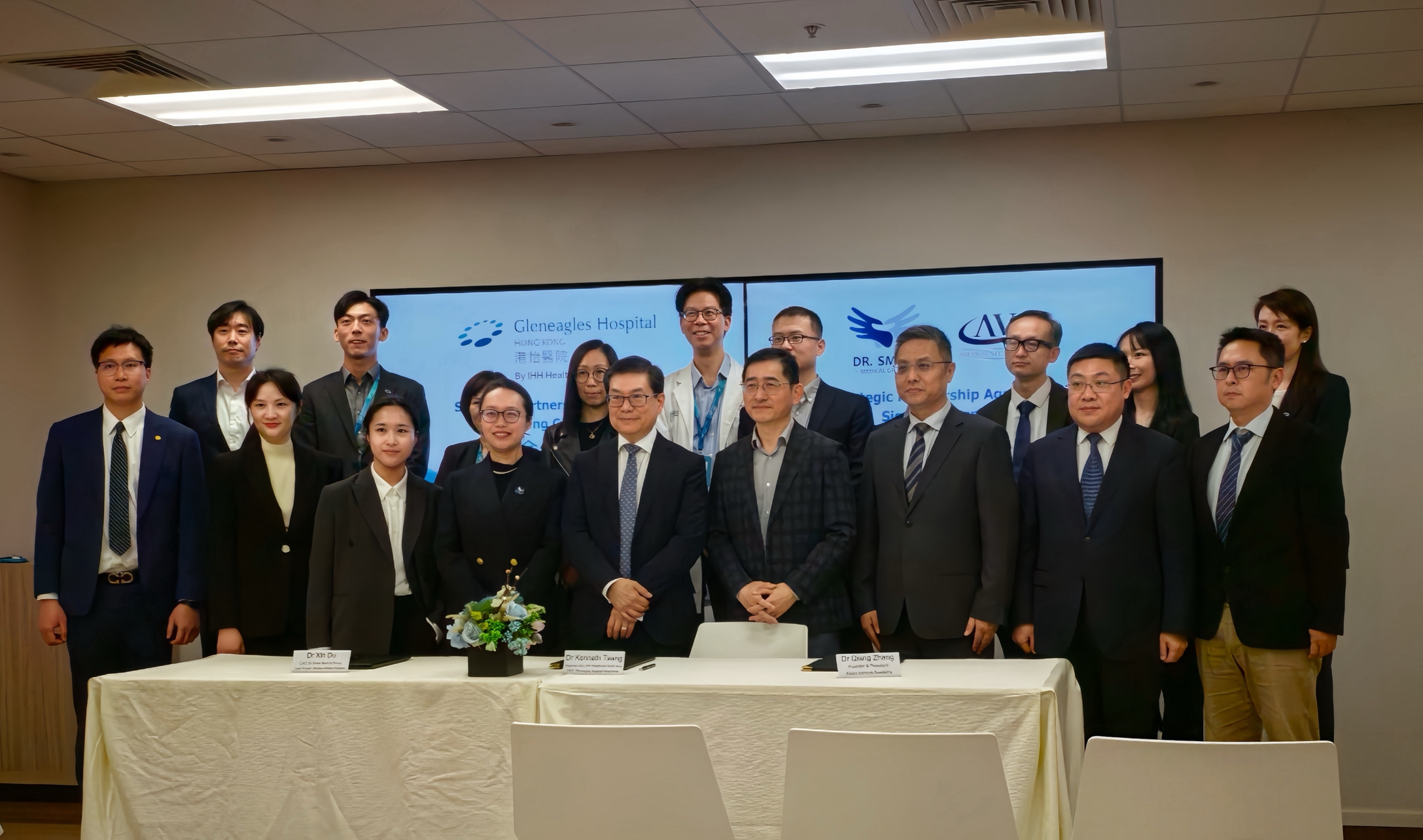
A newly announced strategic collaboration in Hong Kong between Gleneagles Hospital Hong Kong, the Asian Venous Academy (AVA), and Dr. Smile Medical Group is drawing attention within the field of phlebology as a potential model for regional cooperation in venous medicine.
While institutional partnerships in healthcare are not uncommon, observers note that this initiative is notable for its attempt to integrate multiple dimensions of specialty development—including academic research, clinical practice, physician training, healthcare management, and medical innovation—within a single collaborative framework.
According to participants familiar with the project, the collaboration reflects a broader shift in how venous medicine is evolving across Asia, where system design and methodological consistency are increasingly viewed as essential complements to individual clinical expertise.
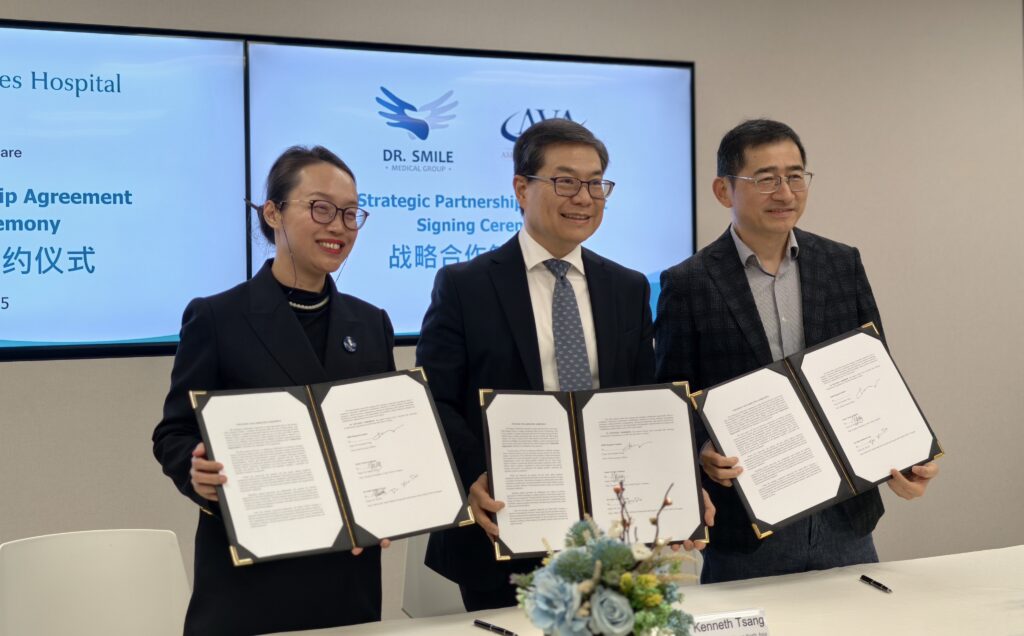
From Centers of Excellence to Transferable Systems
One of the defining themes of the partnership is the emphasis on reproducibility and continuity in clinical knowledge.
Rather than focusing solely on procedural training or short-term exchanges, the initiative places strong emphasis on evidence-based medicine combined with venous hemodynamic research as a shared intellectual foundation.
Planned activities include joint academic discussions, collaborative case reviews, physician training programs, and clinical observation opportunities. Organizers say these activities are intended to transform localized clinical experience into structured knowledge that can be shared across institutions.
For a discipline like phlebology—where many treatment strategies have historically depended heavily on individual expertise—this shift toward transferable systems may represent an important step forward.
Expanding the Scope: Management and Physician Leadership
Another distinctive feature of the collaboration is its inclusion of healthcare management and physician leadership as formal components of the program.
While these areas are often treated as peripheral to clinical disciplines, healthcare experts note that they are critical to the sustainability and scalability of high-quality care models.
Topics expected to be explored include discipline development, clinical pathway design, multidisciplinary team (MDT) coordination, and the evolving role of physicians within complex healthcare organizations.
Such discussions reflect a broader global trend in specialty development: that leadership capacity and organizational design can function as powerful multipliers of clinical quality.
Artificial Intelligence as a Supportive Layer
Medical innovation—particularly the application of artificial intelligence—is also expected to play a role in the partnership.
Participants say discussions will focus on areas such as AI-assisted medical education, clinical decision support, and process optimization in venous care.
Importantly, the initiative frames artificial intelligence as a supportive technology rather than a replacement for clinical judgment.
This approach reflects a growing consensus within the medical community that AI can enhance consistency, transparency, and educational efficiency, while the responsibility for clinical decision-making remains firmly with physicians.
Why Hong Kong Matters
The geographic context of the collaboration also carries strategic significance.
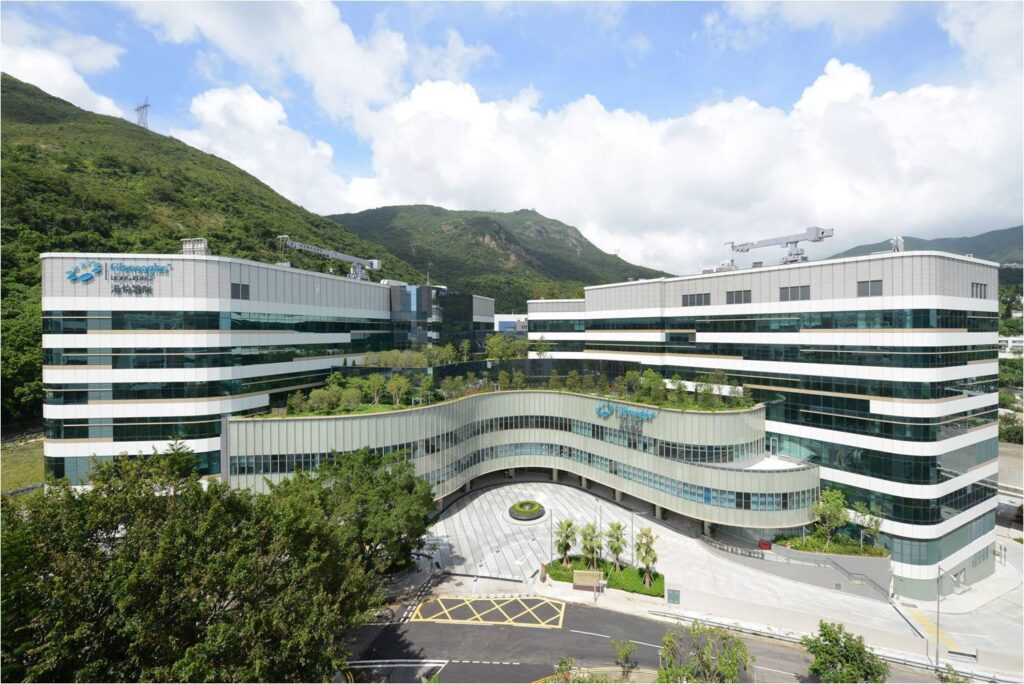
Gleneagles Hospital Hong Kong is widely regarded as a multidisciplinary private teaching hospital with strong academic links to the The University of Hong Kong.
For regional initiatives, Hong Kong continues to serve as an important meeting point between international medical standards and Asian clinical practice. Its institutional openness and cross-border academic networks make it a natural platform for initiatives aimed at connecting local expertise with global discourse.
Methodological Signals: The Role of the Global CHIVA Program
Within the collaborative framework, the Global CHIVA Program has also been introduced as a methodological reference point.
Based on the principles of venous hemodynamics and long-term disease management, the program emphasizes individualized treatment strategies and structured clinical reasoning rather than purely procedural outcomes.
Observers suggest that its inclusion signals a growing interest in approaches that prioritize conceptual coherence and long-term results—areas that are sometimes underrepresented in discussions of venous disease treatment.
A Broader Implication for Asian Phlebology
More broadly, the Hong Kong collaboration reflects what some specialists see as a gradual shift within Asian phlebology.
Historically, venous care in many parts of the region has been shaped by fragmented clinical practice and experience-driven approaches. The emerging model represented by this partnership seeks to integrate science, education, management, and innovation into a more coherent system.
Whether such a framework can be replicated beyond the initial partners remains uncertain. However, the initiative highlights a central question facing the field: how regional collaboration in venous medicine can move beyond isolated centers of excellence toward sustainable, adaptable networks.
For observers of venous medicine, the Hong Kong initiative may represent less a final model than an invitation—to rethink how structured cooperation might shape the next phase of phlebology’s development in Asia.