A PICC-related thrombosis has developed. Should the catheter be removed now?
Sometimes, the most difficult part in medicine is not knowing what to do—
but recognizing when a question should not be answered too quickly.
At the Asian Venous Academy, we hold a simple but firm principle:
no conclusion should be made when the information is incomplete.
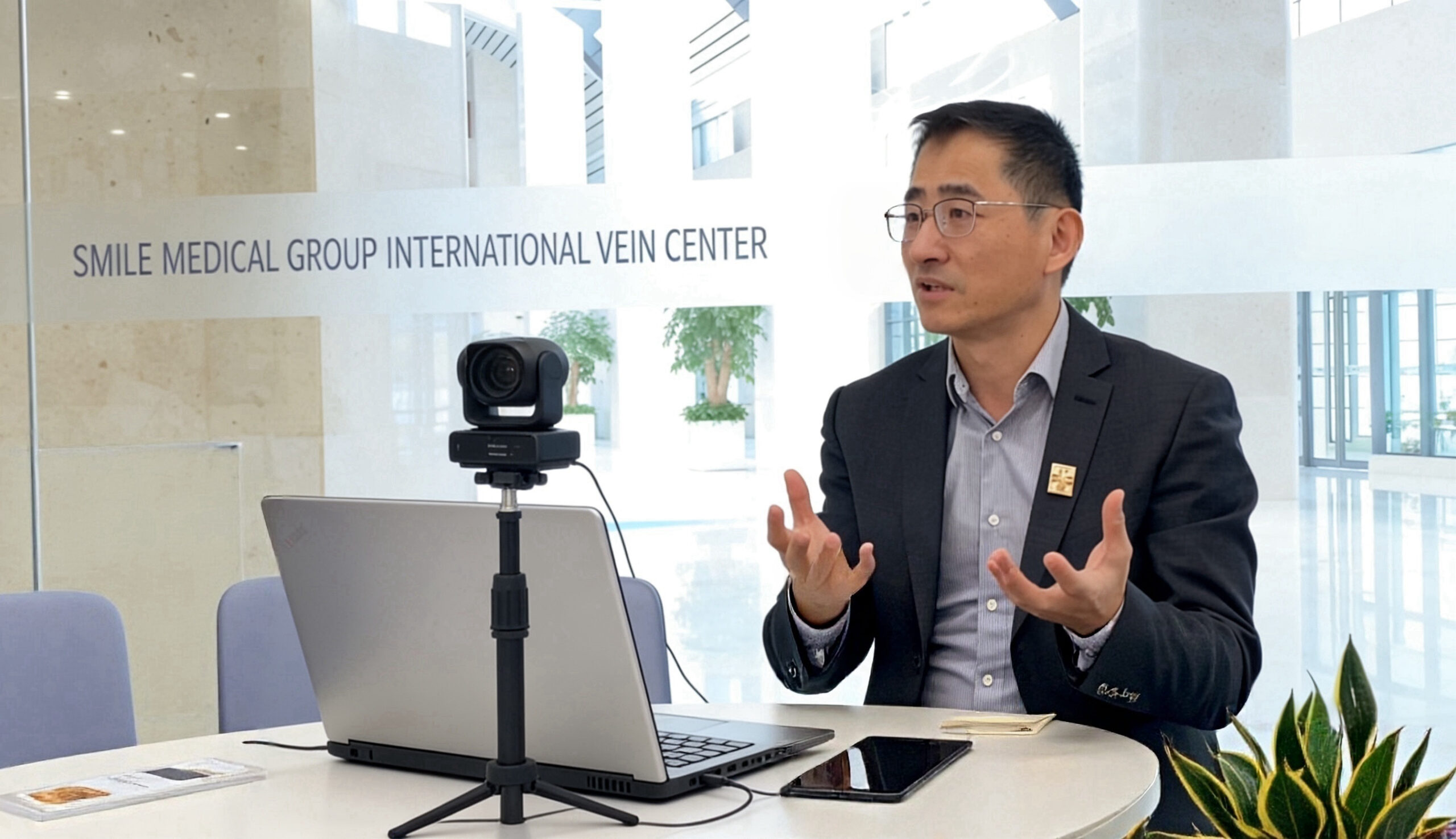
Recently, I was approached through a video consultation by a patient’s family member.
The question seemed straightforward:
A PICC-related thrombosis has developed. Should the catheter be removed now?
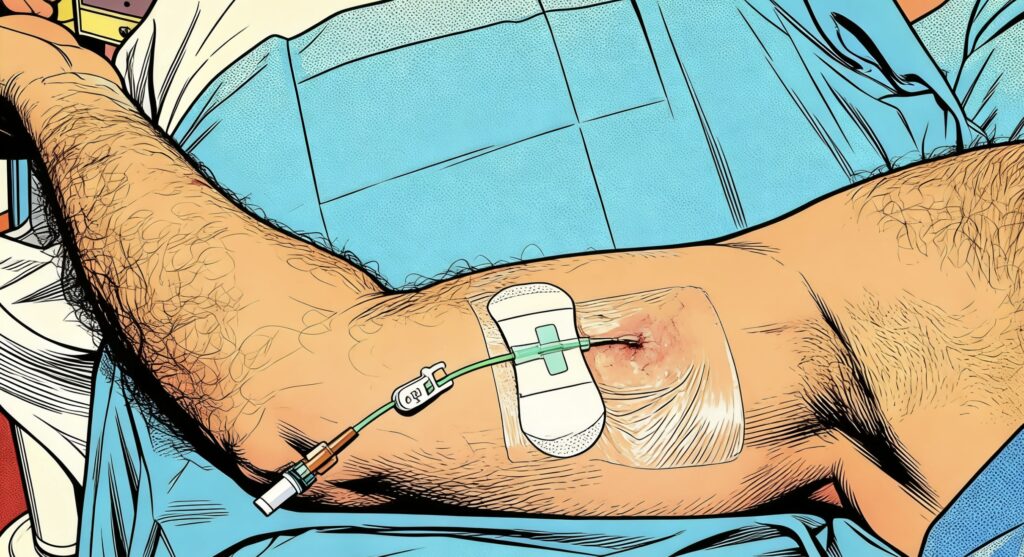
It is a familiar clinical scenario.
And yet, it is far from a simple decision.
Behind this seemingly binary choice—remove or retain—lies a complex set of variables:
the true extent and progression of the thrombus,
the adequacy of anticoagulation,
the functional status of the catheter,
the presence or absence of infection,
and most importantly, the patient’s evolving clinical condition.
I did not provide a direct answer.
Not because there is no answer—
but because clinical judgment cannot be built on fragmented information.
While my clinical work focuses primarily on varicose veins and CHIVA-based venous care,
the question raised here reflects a broader principle in medicine:
not every decision should be made remotely.
At the Asian Venous Academy, we emphasize that medicine is not the act of delivering answers,
but the responsibility of making decisions under uncertainty—with safety as the first priority.