When Not to Answer

0
16
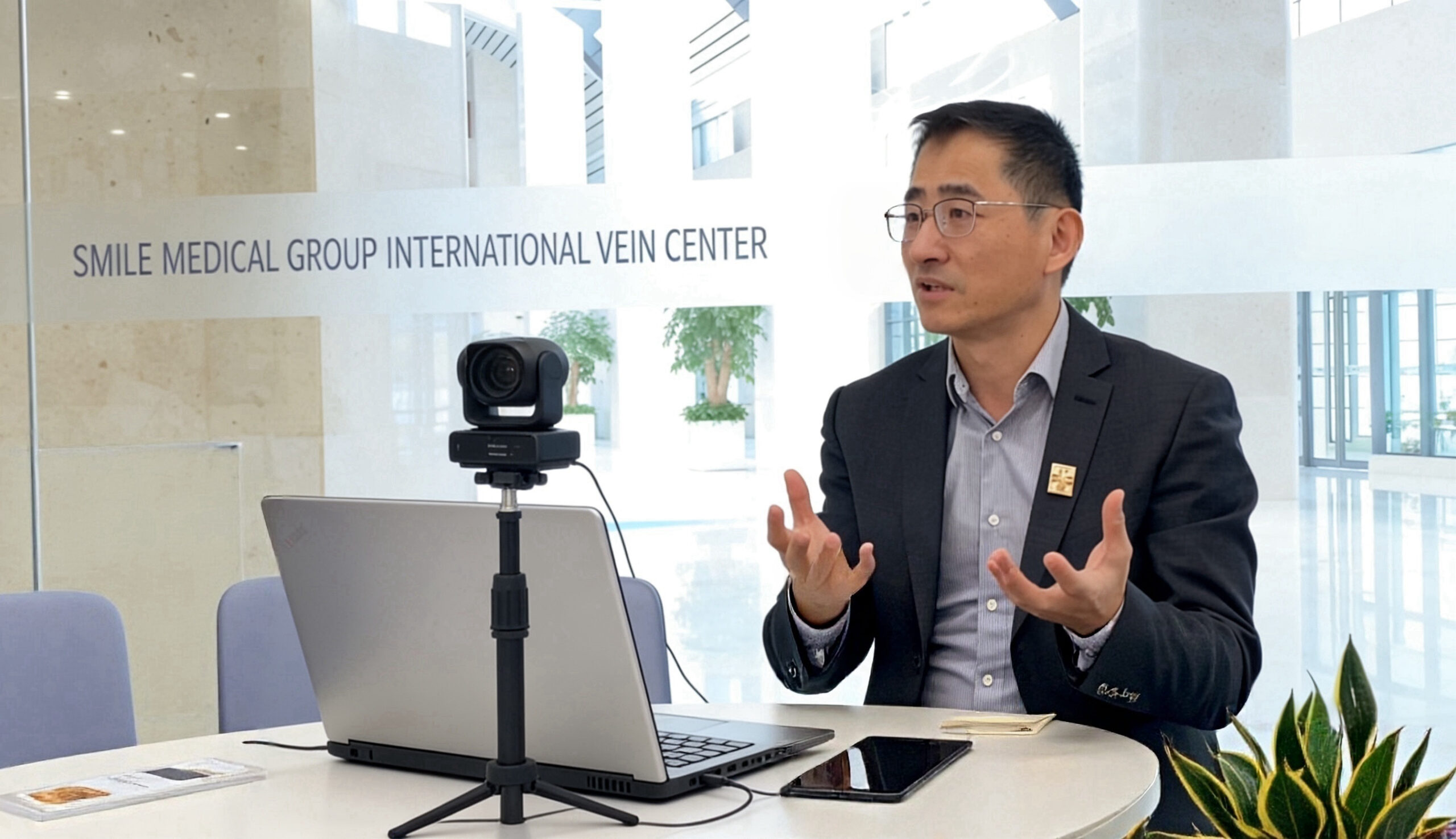
Dr. Qiang Zhang during a global venous consultation

A PICC-related thrombosis has developed. Should the catheter be removed now?

Sometimes, the most difficult part in medicine is not knowing what to do—
but recognizing when a question should not be answered too quickly.

At the Asian Venous Academy, we hold a simple but firm principle:
no conclusion should be made when the information is incomplete.

Recently, I was approached through a video consultation by a patient’s family member.
The question seemed straightforward:

A PICC-related thrombosis has developed. Should the catheter be removed now?
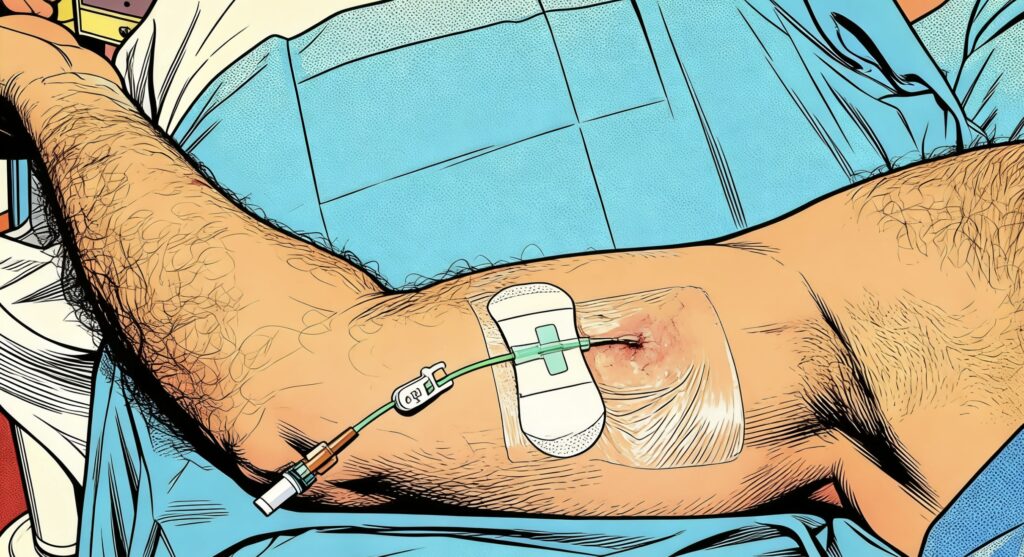
A PICC-related thrombosis

It is a familiar clinical scenario.
And yet, it is far from a simple decision.

Behind this seemingly binary choice—remove or retain—lies a complex set of variables:
the true extent and progression of the thrombus,
the adequacy of anticoagulation,
the functional status of the catheter,
the presence or absence of infection,
and most importantly, the patient’s evolving clinical condition.

I did not provide a direct answer.

Not because there is no answer—
but because clinical judgment cannot be built on fragmented information.

While my clinical work focuses primarily on varicose veins and CHIVA-based venous care,
the question raised here reflects a broader principle in medicine:
not every decision should be made remotely.

At the Asian Venous Academy, we emphasize that medicine is not the act of delivering answers,
but the responsibility of making decisions under uncertainty—with safety as the first priority.

Previous articleWhen a 93-Year-Old Walks Out of the Procedure Room
Next articleThe Hemodynamic Shift in Varicose Vein Treatment— A CHIVA Perspective
Dr. Qiang Zhang
Dr. Qiang Zhang is a vascular surgeon with more than three decades of clinical experience in the treatment of venous disease. His work focuses on the hemodynamic understanding of varicose veins and the development of vein-preserving treatment strategies, including the CHIVA method. Over the course of his career, Dr. Zhang and his team have treated more than 100,000 patients with varicose veins, contributing extensive clinical experience to the field of venous medicine. Dr. Zhang is the founder of Dr. Smile Medical Group, a network of vein centers dedicated to the treatment of chronic venous disease. Through clinical practice and physician education, the organization promotes approaches that aim to preserve the physiological function of the venous system while addressing venous insufficiency. He is also the initiator of the Global CHIVA Center Program, an international initiative that supports physician training, clinical collaboration, and the development of CHIVA-based vein centers. Dr. Zhang serves as Executive Chairman of the Asian Venous Academy, promoting academic exchange and professional education in venous medicine across Asia. His work is guided by a fundamental principle: the treatment of varicose veins should respect venous hemodynamics and preserve the natural function of the venous system. Rather than simply eliminating diseased veins, he advocates approaches that restore physiological circulation and maintain the integrity of the venous network whenever possible.

LEAVE A REPLY

Please enter your comment!
Please enter your name here